The Fed held rates steady on Wednesday, as markets expected. For your savings, the bigger question is simpler: what is your bank paying you?
What changed
In September the Fed raised its target rate by a quarter point, to 3.75% to 4.00%. It was the first hike since 2023, and many high-yield accounts have already raised their rates.
On Wednesday, Oct 28, the Fed met again and kept the range at 3.75% to 4.00%. Two of the 12 voters wanted another quarter point hike, and the Fed said inflation remains elevated, according to CNBC. So rates could still move later.
What did not change
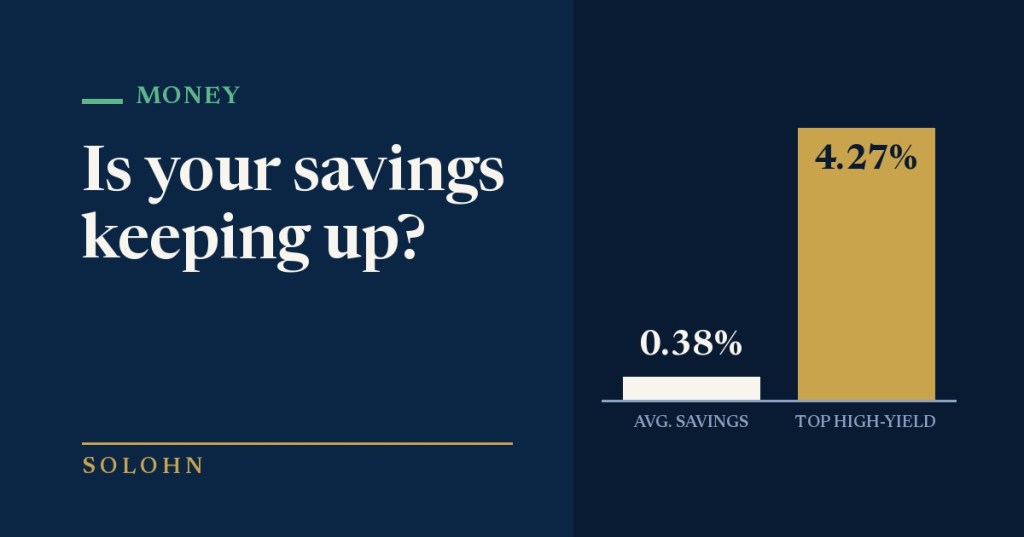
The average savings account still pays just 0.38%, the FDIC says. Top high-yield accounts pay up to 4.33%, according to Bankrate.
On $10,000 over a year, that is about $38 versus about $433. Same money, same year. The only difference is where it sits.
What to check in your own account
You do not need to wait for the Fed to do this. Four quick checks:
- Your current APY. It is in your banking app or on your latest statement.
- The account type. Is it a high-yield savings account or a regular one? The names can sound alike, but the rates can be very far apart.
- What happened after September. Did your rate go up after the hike? If it stayed put, that is worth noticing.
- The cost and safety of moving. Check that transfers are free and that the new account is FDIC or NCUA insured, with no monthly fee.
Emergency money should stay easy to access, so do not trade away flexibility for a slightly higher number.
Curious how rate moves ripple through markets? Our liquidity explainer covers the bigger picture.
The takeaway
The Fed sets the mood, but your bank sets your rate. Whatever the Fed does next, if yours is near 0.38%, ten minutes of checking could earn you more than ten times as much.
Sources: CNBC, Oct 28, 2026 · NerdWallet, Oct 2026 · FDIC national rates, Oct 2026 · Bankrate, Oct 27, 2026



Leave a Reply